Fun Soccer Games For Kids
Discover fun soccer games for kids that build skills, teamwork, and confidence. Perfect for coaches and parents looking for exciting youth soccer activities.
Written by Pastor Javed Niamat Missionary Pastor & Founder of Hope in Everyday Dedicated to sharing faith-based encouragement, hope, and practical wisdom for daily life.
3/3/20263 min read
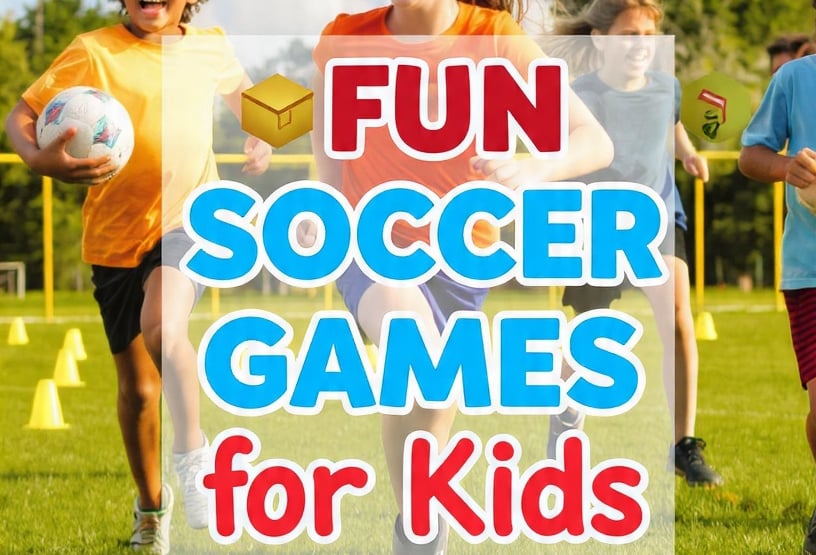
Fun Soccer Games for Kids
Soccer is one of the best sports for children. It keeps them active, builds teamwork, improves coordination, and most importantly—it's fun! But for kids, especially beginners, learning soccer skills through drills alone can sometimes feel boring. That’s where fun soccer games for kids make all the difference.
Instead of strict training sessions, creative soccer games turn practice into an adventure. Children laugh, compete, and develop skills without even realizing they’re learning. In this complete guide, you’ll discover exciting soccer games that coaches, parents, and teachers can use to make practice sessions engaging and effective.
Why Fun Soccer Games Matter for Kids
Children learn best through play. When training feels like a game rather than a lesson, kids:
Stay motivated
Develop faster skills
Gain confidence
Improve teamwork
Build social connections
Fun activities also reduce pressure. Not every child wants to become a professional athlete. Many just want to enjoy being active and spending time with friends.
1. Shark Attack (Dribbling Game)
How It Works:
Every child has a soccer ball.
One or two players are “sharks.”
The sharks try to kick balls away from the other players (“fish”).
If a fish loses their ball, they become a shark.
Skills Developed:
Ball control
Dribbling under pressure
Awareness
Why kids love it: It feels like tag—but with soccer!
2. Red Light, Green Light (Ball Control)
How It Works:
Coach stands at one end.
Kids dribble toward the coach when they say “Green Light.”
They must stop the ball immediately when hearing “Red Light.”
If the ball keeps moving, the player goes back to start.
Skills Developed:
Ball control
Quick reactions
Listening skills
This is perfect for beginners learning how to stop the ball properly.
3. Knockout (Shooting Game)
How It Works:
Players line up with balls.
First player shoots.
If they miss, they must quickly retrieve the ball and try again.
Next player shoots immediately after.
If someone scores before the player in front, that player is out.
Skills Developed:
Shooting accuracy
Speed
Focus under pressure
Kids enjoy the fast pace and competition.
4. Soccer Relay Races
How It Works:
Divide kids into teams.
Set up cones.
Players dribble around cones and pass to next teammate.
First team to finish wins.
Skills Developed:
Dribbling
Speed
Team cooperation
This game builds excitement and teamwork.
5. Capture the Ball
How It Works:
Divide players into two teams.
Place balls in the center.
On signal, players run to grab and dribble balls back to their side.
Team with most balls wins.
Skills Developed:
Speed
Dribbling
Strategy
Kids love the competitive energy.
6. Clean Your Backyard
How It Works:
Split field into two halves.
Scatter balls on both sides.
On signal, teams try to kick balls into the other team’s half.
After 2–3 minutes, team with fewer balls wins.
Skills Developed:
Kicking accuracy
Team strategy
Quick decision-making
This game works great for large groups.
7. 1v1 Mini Matches
How It Works:
Set up small goals.
Pair players for quick 1-minute matches.
Winner stays, new challenger rotates in.
Skills Developed:
Confidence
Defensive skills
Scoring ability
Short matches keep kids energized.
8. Simon Says Soccer Edition
How It Works:
Coach says:
“Simon says dribble.”
“Simon says juggle.”
“Stop!” (without Simon says—if they move, they’re out!)
Skills Developed:
Listening
Ball control
Coordination
This game is perfect for younger children.
9. Obstacle Course Challenge
How It Works:
Set up cones, ladders, small goals.
Players dribble through obstacles.
Add small challenges like toe taps or turns.
Skills Developed:
Agility
Balance
Ball mastery
Kids enjoy the adventure-style challenge.
10. World Cup Game
How It Works:
Every child chooses a country.
Small-sided tournament.
Winners advance to next round.
You can even name teams after major competitions like the FIFA World Cup to make it exciting.
Skills Developed:
Competitive spirit
Teamwork
Game understanding
Kids feel like real stars.
Age-Based Game Suggestions
Ages 4–6:
Red Light Green Light
Simon Says
Shark Attack
Focus on fun and movement.
Ages 7–10:
Relay Races
Capture the Ball
Clean Your Backyard
Add light competition.
Ages 11–14:
1v1 Matches
Knockout
Obstacle Course
Add tactical learning.
Tips for Coaches and Parents
Keep instructions simple.
Demonstrate first.
Rotate teams often.
Celebrate effort, not just winning.
Keep games short and energetic.
Always ensure safety.
Encouragement builds confidence. A positive environment helps kids grow faster.
Benefits of Soccer Games for Kids
Fun soccer games help children:
Improve physical fitness
Develop coordination
Learn teamwork
Build self-esteem
Manage competition healthily
Reduce screen time
Soccer also promotes discipline and communication.
Making Practice Fun Every Week
To avoid boredom:
Change games regularly
Add small rewards
Introduce friendly competitions
Let kids suggest game ideas
When children look forward to practice, they improve naturally.
Final Thoughts
Fun soccer games for kids turn ordinary practice sessions into memorable experiences. Whether you’re a parent organizing backyard play or a coach leading a youth team, creative soccer games keep children excited, active, and learning.
The goal isn’t just to create great players—it’s to create happy, confident kids who love the game. When learning feels like play, improvement happens naturally.
So grab a ball, set up some cones, and let the fun begin!